
Share knowledge
- Run platforms where everyone involved can share information on small-scale fisheries
- Promote joint research
A partnership of academics, researchers, state officers, community organisations and civil society, formed in February 2018 to give small-scale fishers a real voice in how their fisheries are governed.
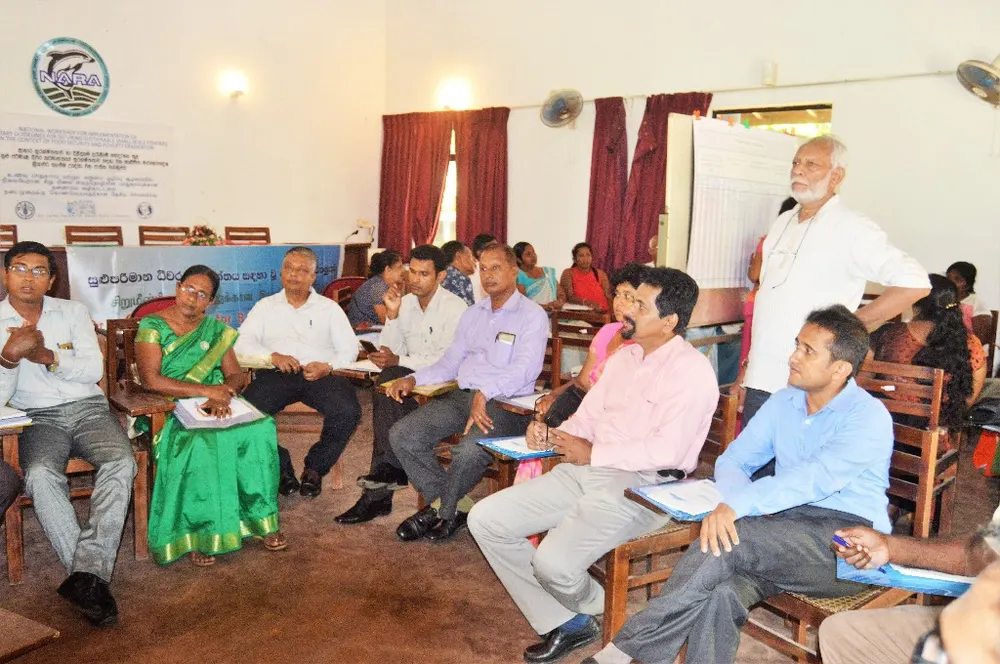
Figures from the forum’s founding paper, 2018.
Nearly everyone who fishes, processes or sells fish in Sri Lanka works in the small-scale sector. Yet the sector is threatened by overfishing, unregulated technology, the collapse of fisheries co-operatives and, increasingly, climate change.
Research in Sri Lanka has focused on fish biology and oceanography, not on the people who fish: their rights, their livelihoods and their exclusion from decisions. The forum was created to close that gap.
Small-scale fisheries make an important contribution to nutrition, food security, sustainable livelihoods and poverty alleviation. Despite this, the issues constraining their sustainable development remain poorly understood.
The aims in the forum’s founding blueprint fall into three areas.
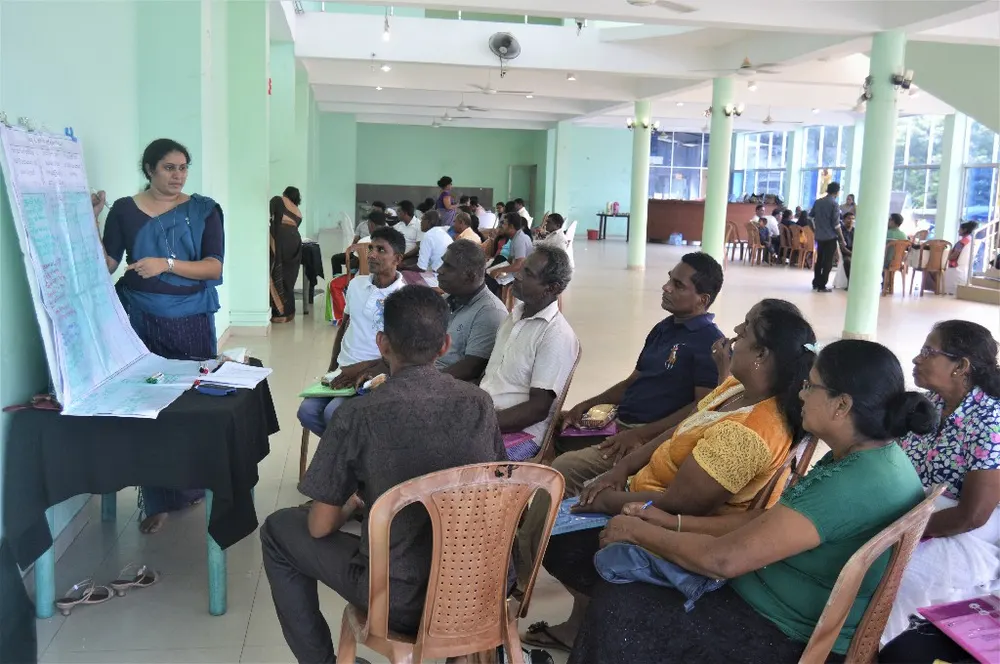
Fishing communities, women and men alike, should take part in the decisions that affect them and share responsibility for the resource. We give particular weight to vulnerable and marginalised groups.
Fishers, officials, scientists, industry and civil society meet on neutral ground, usually a university, to work through a single issue and agree recommendations for policy makers.
Members publish research, write for the national press and run projects directly with fishing communities.
The FAO Voluntary Guidelines for Securing Sustainable Small-Scale Fisheries recognise fishers’ rights and call for management that is participatory, inclusive and holistic. Guidelines only work when governments adopt them, so since 2018 the forum has briefed state officers and consulted fishing communities in the North, East, West and South.
Open invitation to academics, researchers and interest groups.
SSF Guidelines workshop in Colombo.
Jaffna, Negombo, Rekawa and Trincomalee.
Fuel-efficient fishing with government and industry.
First regional conference on small-scale fisheries.
Resilience for women fish processors.